
Citing:
“Oracle Forms 14.1.2 is not just another upgrade. It is a decision point that will shape your architecture for the next decade.
This article breaks down what the release actually changes, what it doesn’t, and how to decide between upgrading and truly modernizing your Forms estate.
Oracle Forms 14.1.2 arrives at a time when many organizations are already questioning the long-term viability of their Forms environments. Between evolving security expectations, cloud strategies, and shrinking talent pools, the decision to upgrade or modernize is no longer technical. It is strategic, with implications that will extend well beyond the current release cycle...”*
*Source. If you want read more: https://renaps.com/en/blog/oracle-forms-14-1-2-upgrade-vs-migration-2026
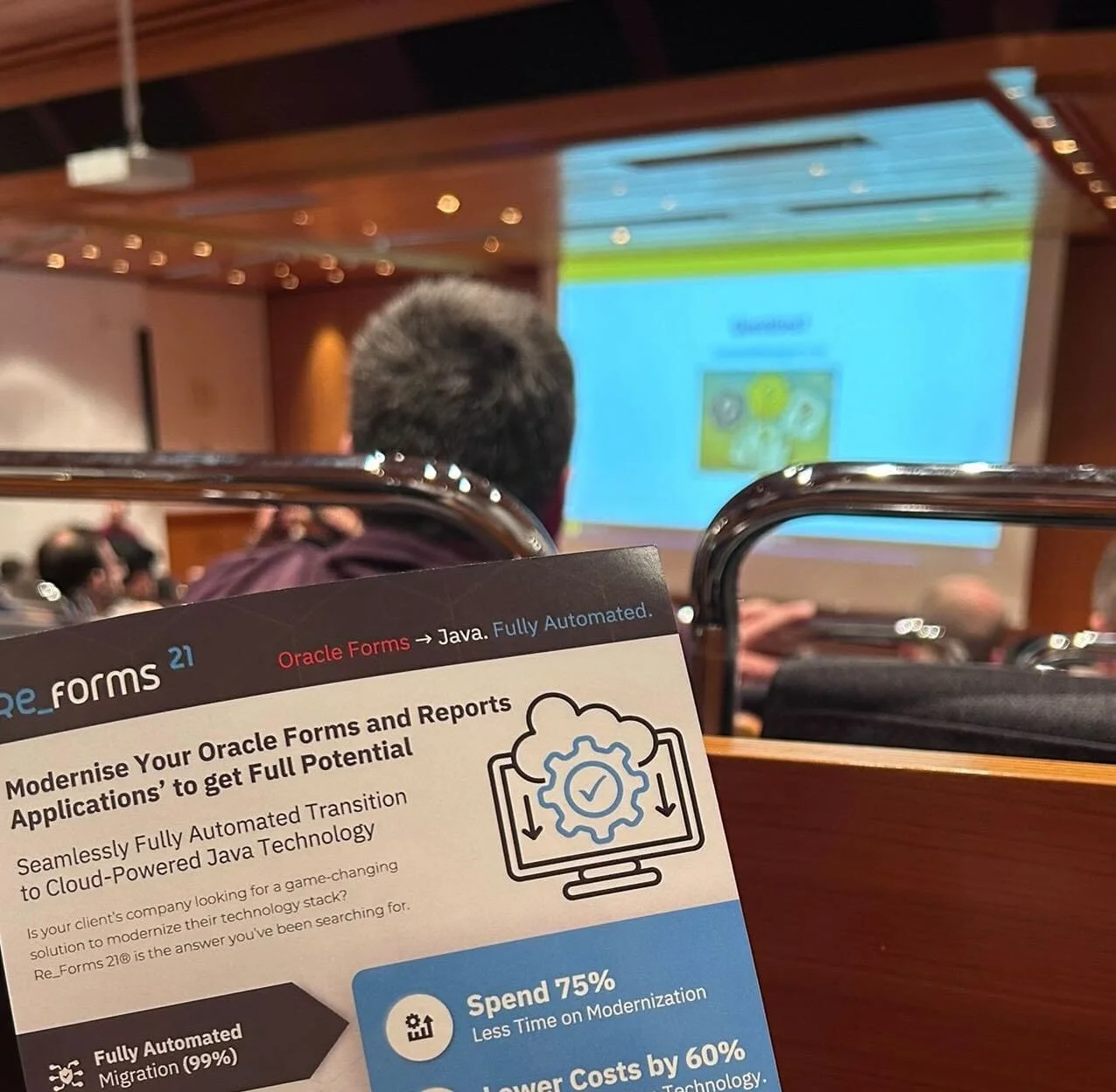
RF21′ comment:
Framing the choice in 2026 as Oracle Forms 14.1.2 upgrade management versus a high-risk migration gamble overlooks how much the modernization landscape has matured. Opting for an upgrade might feel operationally safe, but it does nothing to solve the underlying crisis of rigid, undocumented business logic trapped inside legacy layers. Modern enterprise teams no longer have to fly blind into migrations or rely on manual rewrites that trigger endless regression testing cycles. With tools capable of mapping every structural dependency instantly and auto-generating automated tests from real user flows, full ecosystem transformation can be executed with minimal friction. Postponing this shift under the guise of a version upgrade simply increases the ultimate cost of integration with open technology standards. True technical leadership means acknowledging that legacy containment is no longer a viable strategy when predictable, automated engineering paths exist